
paradise
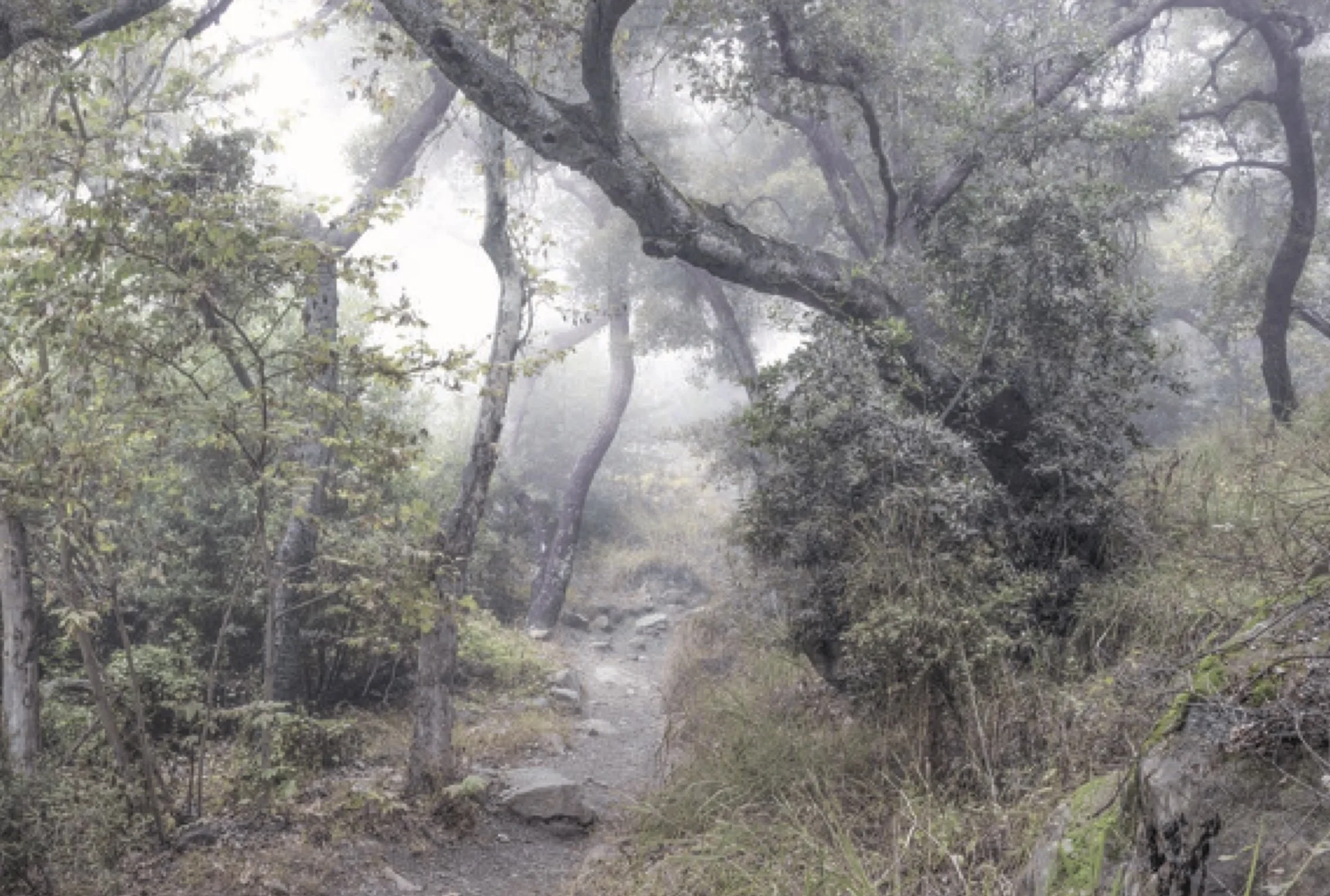
There are places you lose, places you keep, and places that can only be described as paradise.
I hopped off the plane at LAX, not with a dream and my cardigan, but with one suitcase and nobody waiting except some guy at the Budget counter who handed me the keys to a Mitsubishi Lancer. I was twenty-five, barely old enough to rent a car, just young enough to blast Phantom Planet like Ryan Atwood driving down the 101. Paradise was nowhere in sight as I headed north on the 405 in my first car of the summer when the jacarandas had already shed their purple blooms and fires burned through landscapes that would shape me in ways I never imagined.
I was there for work, producing a documentary about someone I’ll call The Businessman. He lived in a mansion on a hill. Some employees lived there, too. There were allegations and rumors he didn’t want to discuss. My job was to find a story by the end of the summer.
Windows down, palm trees bending in the heat and the sour exhaust of Hollywood were as exotic as the rainbow-sudded carwashes and hole-in-the-wall taco joints with twinkle lights. The neon signs buzzed in fonts I’d only seen in old movies. Vintage Finds looped in cursive and screaming pinks and yellows advertised Yum Yum Donuts and strip mall crystal readings. At a stoplight Eminem’s “Lose Yourself” thumped from a tinted SUV, the bass vibrating under my palms. There might’ve been a celebrity inside, and I squinted to make out the shadows.
Diane Keaton had broken up with Woody Allen at a health food store on Sunset Boulevard, which I’d just steered down. In the scene, she wore round amber sunglasses and hair-toss confidence that was hidden under all that golly-gee-ness in New York City, where I’d just come from. New York was where my coworkers lived. They couldn’t leave their partners or children to track down sources or record interviews. I wasn’t sure I could do it either. I wasn’t good at being dogged. I wasn’t sure I was good at anything besides working the longest hours. And anyone could do that.
The streets narrowed in a neighborhood with colorful steps, Spanish-tile roofs and backyards where banana trees jostled in the warm breeze. My company had rented a house for me that was just a brief walk from the Elliot Smith tribute wall, a skating, infinite loop that’s black and white and red all over. The mural is the cover of Figure 8, an album about ambition and doubt. It’s also the last album he released while he was still alive. Slowing the car, I turned down my new street.
In my memory, the house is gray stucco. Zillow shows a yellow one hidden behind an elm. I only knew for sure it was the place when I saw the driveway, too short to park in with a tar-patched bulge where the cement cracked. It looked like a broken bone that hadn’t healed straight.
I didn’t care. I was used to five-floor walk-ups and sublets with two or three roommates and a bedroom the size of a closet. It was just for sleeping and the rest of the time, from the street to the subway to the office, I was never alone, always on guard.
In the stucco house, I had my own bathroom, kitchen and even a living room with a big-screen TV. On warm evenings, the open windows carried the clickety-clacks and rat-a-tat-tats from a tap dance studio somewhere around. Out of sight, the imperfect steps and crunchy, jazz tunes were a secret jubilee. After dark, I tried to turn on the TV, but I couldn’t and didn’t ask for help, worried the renter would see me as incapable and kick me out–was anyone ever so young?
This was in 2016. Before we watched TV on our phones, before a gastropub cut a hole in the Elliot Smith mural, before another businessman became president. Since I couldn’t watch the debates, I wrote interview questions about The Businessman in the documentary. If he wouldn’t talk more, I’d have to find other people. Some called him a psychopath. Most didn’t return my calls. Deadlines crept closer and faster. I worked every night, every weekend, more than in New York. I forgot to eat. I got hungry. I couldn’t just walk to the bodega. I had to drive.
A few weeks in, I got an email from Budget. The Mitsubishi Lancer had been recalled. There was an issue where some cars hesitated to accelerate. For my safety, I had to give it back.
They gave me a second car, though I don’t remember the make and model. It was around that time when everything started to blur. The work didn’t stop. I never slept well. I talked to people, but most didn’t want to talk to me. The Businessman made me wait in his dining room for hours before an interview. He was just joking, except when he shouted. At a convention in Las Vegas, he screamed in a parking lot. I drove back to Los Angeles so rattled I forgot to fill my gas tank and almost ran out in a long stretch of desert. If the project failed, it would feel like my fault.
My team flew out sometimes, the host and other producers. They stayed in the bedrooms on the main floor of the house while I slept downstairs in a converted laundry room with a narrow window. That had been my choice. I told everyone it was the bedroom I preferred.
One day, I came out of the dark room and saw a white dusting that looked like snow. It covered the surface of my second car. I didn’t know about the Sand Fire. I slid a finger through the ash.
Not long after, I hit a curb. The fender on the second car came loose.
It was a small accident, and the car was insured. I didn’t need to tell anyone. Who would I have called? I didn’t talk to anyone, outside of work. The few times when I called home, no one could hear me over the phone, and they all sounded too far away to help.
My worries went in a notebook. I ran around a man-made lake and lost my driver’s license. A new one arrived by express delivery, just in time for a meeting with a source in a bar. She had agreed to meet, but she wasn’t sure if she wanted to speak on tape. I had to convince her and was nervous. After one drink too many on an empty stomach, I should have called a cab, should have felt relief making it home, but I didn’t. I wrote words in the notebook. I don’t know if I believed them, but the writing came out sharp, and I realized I needed someone to help me.
The next day, I drove through two hours of traffic to Newport Beach for a same-day appointment. I had never been to a psychologist. My family didn’t believe in therapists. The nurse was brisk and unsmiling. She asked me two questions.
Are you thinking about hurting yourself?
So startled, I laughed. Her eyes didn’t move and she wrote something down.
Are you thinking about hurting someone else?
No. I just wanted to talk to someone
Her pen scratched. No talking. No follow up appointment. I picked up the pills at Walgreens and drove back to the house with the bulge in the driveway.
In my third car of the summer, I killed the engine. It was almost sundown. Everything glittered. I opened the paper bag and rattled the orange bottle of pills, not sure what would happen if I took them. There were side effects and one of the side effects of the side effects was impaired judgment. I wasn’t against medication, but if I couldn’t look out for myself, who would? The only person who even knew about this was the nurse, and I couldn’t count on her. I had no one.
Then I heard something. Through the car windows, their tippity-taps and clickety-clacks floated over the swooning music. It was someone, many someones at the tap studio. People were dancing around me. People had been dancing outside my house all summer. They were moving, and in their steps, something finally reached me. I wasn’t going to take the pills by myself. I would find another way to move through this. I put the bottle in the glovebox and turned the key.
Maybe I only meant to drive up to Griffith Park to see the city flicker. But once I hit Los Feliz, I kept going. I went past the neon-blue Scientology Center that looked like a movie set, past the House of Pies and Vermont’s towering palm trees. I hopped on the 101, then the 134, the 5, never with a route in mind. The landscapes pulled me off the freeway and into the winding hills.
I drove through the rolling lavender Santa Ynez Mountains. Down the Pacific Coast Highway, where the ocean touched my lips. At Venice Beach, skaters flipped in the sunset. In Malibu I misread the tide, scrambling over slick rocks as foam crashed against my knees. The car went up haunted hills on Mulholland and tugged me into Topanga Canyon’s dust and shadows.
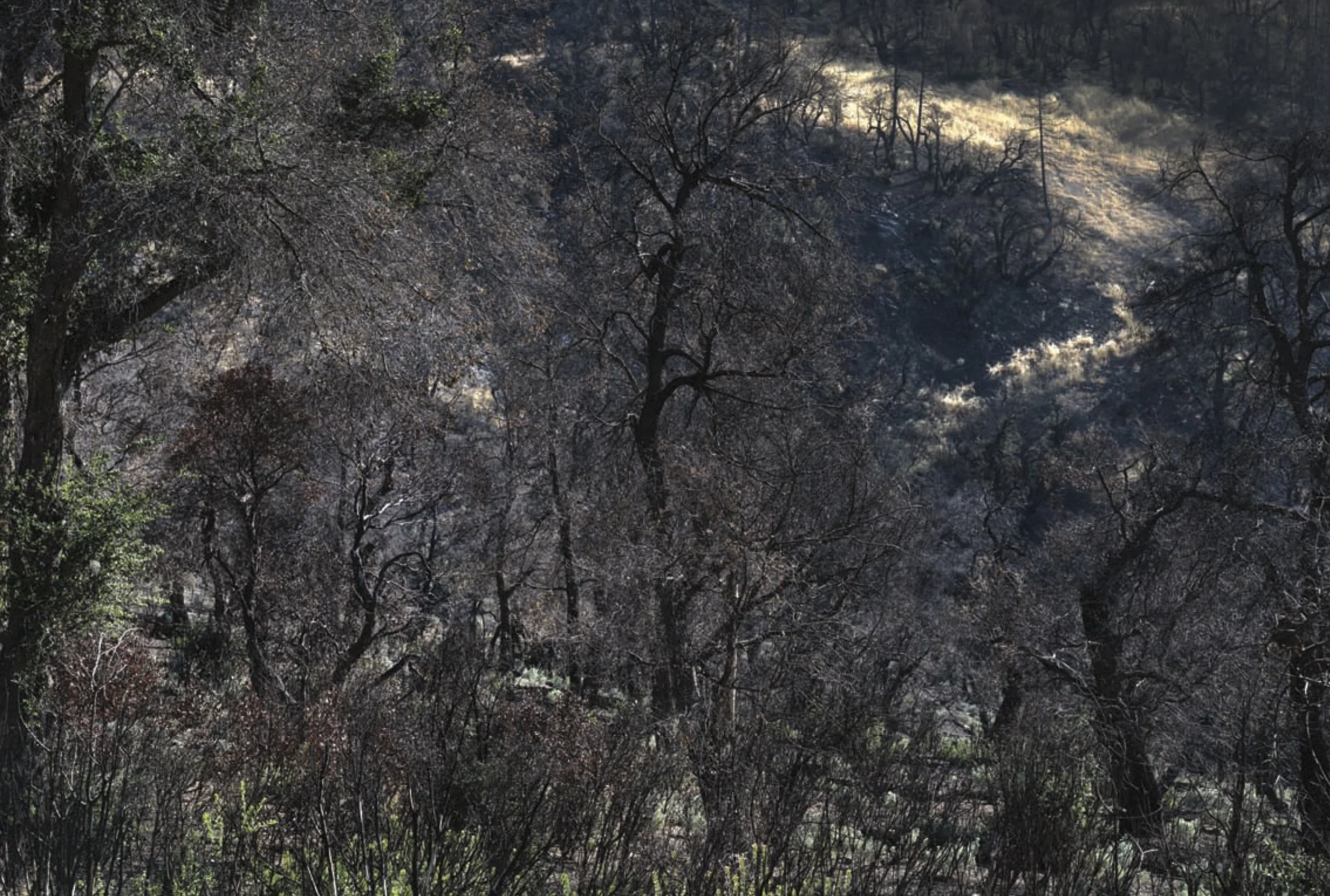
Sometimes I cried in the car or laughed. Sometimes both. I had imaginary conversations while listening to Steely Dan and that song about a guy living out in L.A. driving a sports car. My third car was nothing fancy but it took me to pink mountains at dusk, desert yellows and ranch houses the color of eggshells. Red heat made dark cracks that didn’t try to be patched and switchbacks were bare, scarred with scorch. I stopped when I got to cliffs where the sunlight shattered itself across waters that were eternal and abundant, stretching across the horizon to another world.
On the road again I passed signs for LAST PEACHES OF THE SEASON. Farm stands sold jumbo pomegranates, sticky nectarines, crates of oranges, and other fruits of eden. I pulled off at late-night diners and ended the night with a grilled cheese and a slice of cherry pie à la mode. Sometimes I selected a piece of cake from one of those light-up, rotating pastry displays, which remains one of the top reasons why diners in Los Angeles are superior to those in New York.
Back home, I never figured out how to turn on the TV, and I didn’t want to anymore. I looked into the landscapes and recognized something that made me want to return to them again and again. I still worked long hours and had deadlines, but I always made time to drive and follow the humming impulse that brought me detours, vastness, and everything else I needed to see.
I still wasn’t sure where the story was going, but more people had agreed to be interviewed. I drove to the house of a couple who, I could not believe, were letting me record what they said. The work was happening, and I had something when I re-listened at the kitchen table at night.
I was enjoying my solitude when an old childhood friend texted me that she heard I was in LA. She lived in a nearby neighborhood, and in my last weeks in Los Angeles, we got sushi and reminisced about dancing to Vitamin C songs and imitating our teachers’ mannerisms. Our talks were like discovering a small key to a secret garden that I had played in as a girl.
“Look,” my childhood friend pointed out my car window. A woman with purple hair was just standing at a bar. “It’s Kelly Osborne.”
That was my only star sighting. I looked away before the light turned green and kept driving.
By September, something called the Santa Ana winds had kicked up, whispering like tiny ghosts. People say Southern California has no seasons, but the air changed. There was a coldness and a heavy gray. Even so, I extended my stay as long as possible so I could keep driving through it.
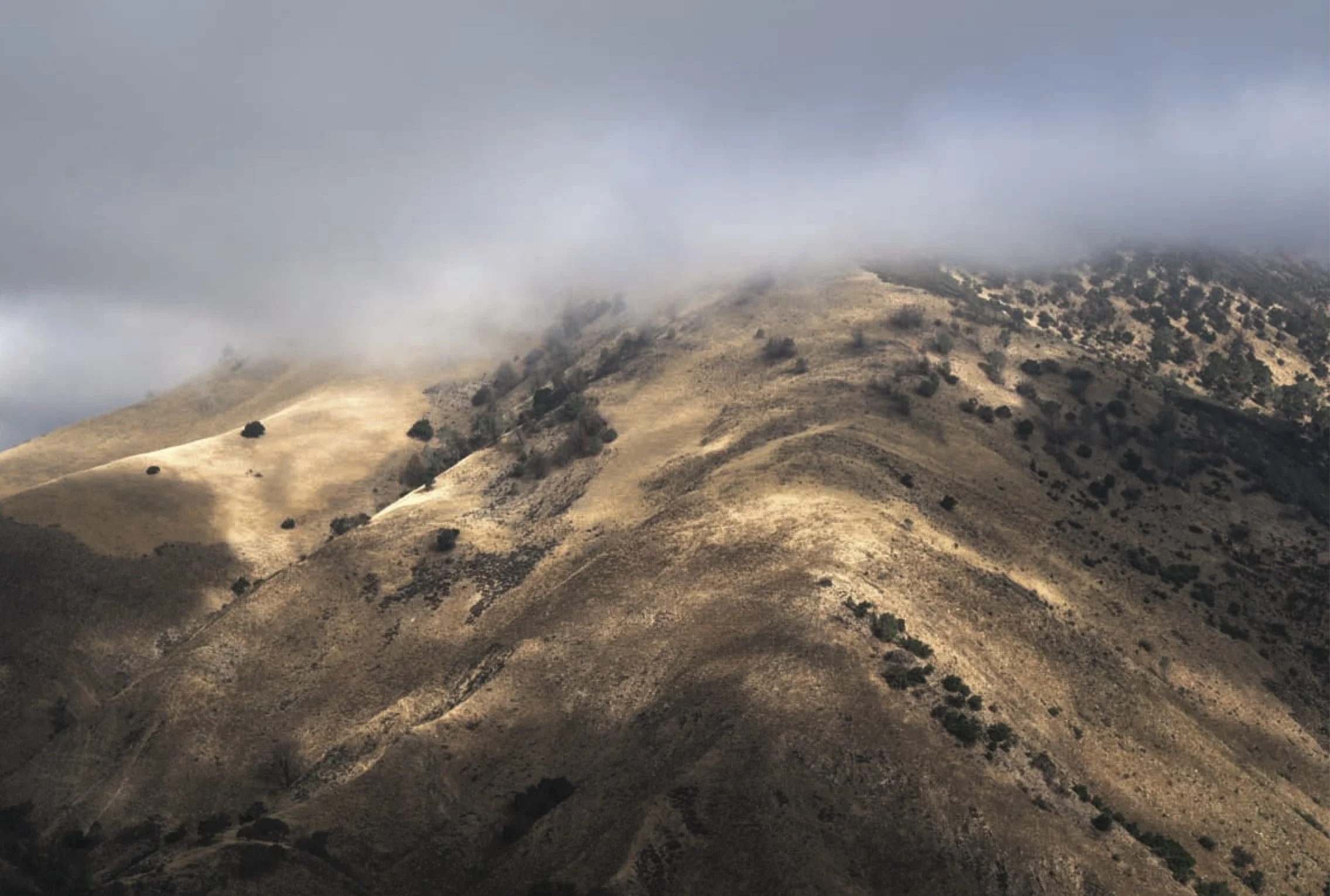
But at the end of October, I flew back to JFK on a redeye. Stepping off the plane that morning, I wasn’t ready to take the subway to my shared walkup or fluorescent, open plan office. I stalled at that one shitty diner outside of baggage claim where I paid too much for sour coffee and mediocre pancakes. Rotating cake displays were impossible to find, and that was the start of my complaints about New York. It would be two more years before I said goodbye to all that, but a week after the election, I got a therapist. I got a raise. I got good at carving out more time alone.
A year later, I flew back to California, taking a cab from the airport and staying in a neighborhood close to the venue. I didn’t know my way around. It felt a little bit like the first time you go back to a place you grew up and realize that you don’t live there. It’s not your home anymore, and you don’t need it to be. The documentary had won an award, and I was there for the ceremony. As I climbed the stairs onto the stage, I heard the clickety-clacks of my own feet on the metal steps. I realized then that I had finally made it to paradise. It wasn’t because of the prize. It wasn’t even California. The paradise found was not a place on a map. It was something I carried, something that grew, unfolding like a landscape each time I took a step toward myself.
in print
photos by mark dellas