
listening, learning
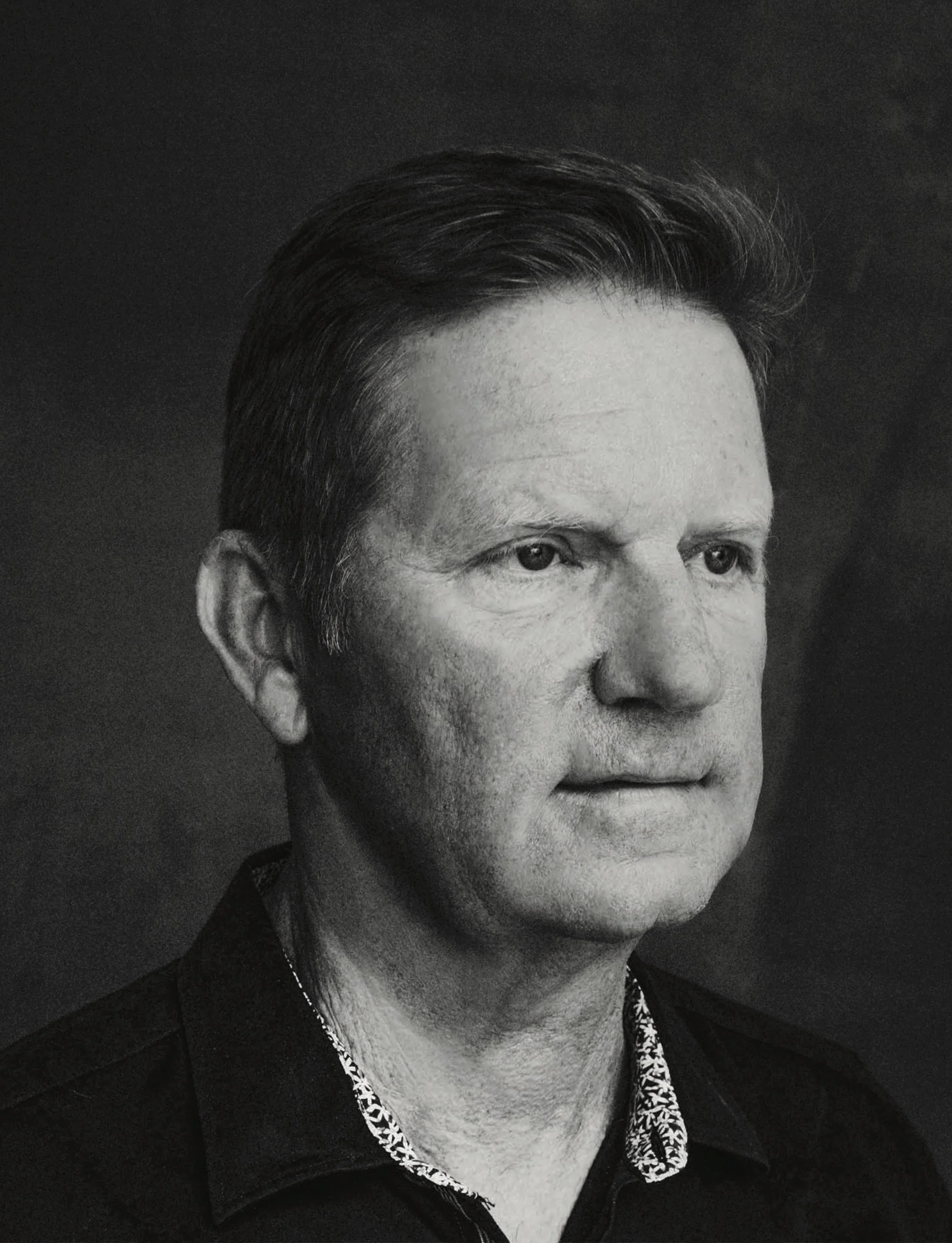
Dr. Philip Stegemann, orthopedic surgeon at Erie County Medical Center, orthopedic consultant at UBMD, and clinical associate professor of orthopedics at the University at Buffalo School of Medicine and Biomedical Sciences, begins his day with a 7am lecture. In the Smith Auditorium at ECMC, sports medicine orthopedist Dr. Laith M. Jazrawi is presenting an innovative treatment for patella dislocation and anterior cruciate injuries. Surrounded by colleagues of all specialties–sports medicine, total joint, pediatrics, oncology–Stegemann discusses the presentation and how it may shape patient care. It is this combination of continuous learning and collaboration that Stegemann says defines orthopedics at ECMC. As the former chief of orthopedics for twenty-eight years, Stegemann played an integral role in ECMC’s rise as an orthopedic center, though he is quick to deflect. Instead, he credits his colleagues and their treatment of complex orthopedic problems for the department’s many accolades. Among them, Healthgrades ranked ECMC in the top five percent of orthopedic departments nationwide in 2022.
“Public perception of ECMC has changed, but the culture of the place and the reality of what we do here has not. It has always been a wonderful place to practice pure orthopedics and care for patients with difficult injuries,” says Stegemann. “So if you turn that around, you might say that the reality of what ECMC orthopedics is and does is now the perception.”
ECMC traces its origins to Buffalo Municipal Hospital, which was established to treat smallpox patients in 1905. Originally located on East Ferry Street, the hospital was at the forefront of caring for patients with communicable diseases, such as scarlet fever and tuberculosis. To meet the needs of a growing population, a new facility was built on Grider Street in 1912. Buffalo City Hospital, as it was called, was a general, municipal hospital treating all patients regardless of problem or ability to pay. In the decades that followed, the hospital continued to expand its specialty care and serve as a training ground for medical professionals. It was the birthplace of numerous innovations–including the crash cart now used to administer life-saving protocols in emergency departments around the world. Today, ECMC, a Level One trauma center, is also a leader in behavioral health, rehabilitation, transplants, burn care, and orthopedics.
m. dellas
Dr. Stegemann arrived at ECMC in 1983. Although he attended medical school at UB, Stegemann and his wife Maureen had not planned to make Buffalo their permanent home. Upon completion of his residency training at ECMC, his mentors asked him to join the UB orthopedic department and ECMC. The department was quite small, and Stegemann felt honored. An active participant in team sports, he was drawn to the department’s team approach and open-door policy. Stegemann recalls that as an attending physician, he could walk into any office and share x-ray film and discuss how to approach a case, or ask what someone thought about a patient outcome: “It was continuous learning in a safe environment where my mentors were still there for me. And it was through that collaboration and feeling of being at home that I grew, and that our department grew.”
One of five children born to Robert and Barbara Stegemann in Rochester, New York, Philip knew he wanted to be an orthopedic doctor by the time he was eight years old. His father, a self-made financial executive who attended Union College through the GI Bill, and his mother, an educator, raised the children in a supportive home where they were free to follow their interests and understood they must contribute to society. Young Philip was passionate about mechanics and in a neighbor and family friend, Dr. John States, he saw a path forward. When he played with Dr. States’ son, the boys often made their way to the doctor’s home office. Philip was mesmerized by the skeletons, models, tools, and pictures he saw there. An orthopedic surgeon, Dr. States was quite handy and had a particular interest in automotive safety. He even welded roll bars onto his car.
“I associated what I liked with him and the cool things I saw in that office,” says Stegemann. “And from that time, my life was set.”
When Stegemann speaks, his regard for Dr. States and his mentors–Dr. Theodore Papademetriou, Dr. Eugene Mindell, Dr. Lawrence Bone, Dr. Robert Gillespie, among others–is palpable. So is his genuine concern for the many patients he treats and the orthopedic residents he helps train. Although he has trained more than 150 orthopedic doctors, Stegemann sees them as individuals and encourages residents to lean into their unique skills, observations, and thoughts. He stresses the importance of listening and seeing the patient as a whole person: “A patient will come in with a problem and you may know how to treat that specific problem but maybe that person isn’t a candidate to have that fixed because of their whole person. Maybe they just want to talk about that problem. What I’ve learned is everyone is so different in terms of what they will tolerate, what they will live with. You need to understand where our patients are coming from and tailor your treatment to that.”
In addition to patient-centered care, Stegemann emphasizes a commitment to lifelong learning and healthy scrutiny of innovation. He has witnessed numerous advancements in orthopedics over the course of his forty-year career. Some, like minimally invasive surgery and the reverse total shoulder replacement, have improved patient outcomes tremendously, while others have not.
Looking ahead, Stegemann feels hopeful: “I am excited by the integrity of the young people pursuing orthopedics and their willingness to delay [some of life’s] gratifications for residency and fellowship training.” He is equally enthusiastic about the leadership of ECMC under CEO Thomas Quatroche and the department of orthopedics under its new chief, Dr. Christopher Ritter.
Today, the skeleton model that once fascinated young Philip in Dr. States’ office sits in the orthopedic resident library at ECMC. It seems fitting that the inspiration for Stegemann’s professional path should make its way to his professional home–an orthopedic department long committed to mentorship, education, and collaborative patient care.