
bittersweet symphony
The music industry will never break your heart the same way twice.
Sometimes ten months can last a lifetime. Sometimes a single song can follow you for twenty-five years–like a beautiful ghost that won’t let you forget what it felt like to be young and believe. In retrospect, I was naively delusional to think that everything was going to work out exactly as I dreamed.
The word nostalgia comes from the combination of Greek words meaning “homecoming” and “ache.” For me, there’s no better description for what I feel when I hear “You Get What You Give” by New Radicals. It’s the sound of possibility mixed with the knowledge of what came after–equal parts joy and heartbreak, hope and wisdom, all wrapped up in one perfect pop song that refuses to fade away.
In September 2023, my dear friend Steve Ferlazzo (musical director for Avril Lavigne and former bandmate) asked me to sing that song at Lucky Strike in Hollywood, where he was returning to play with the resident house band after the pandemic. Given that the song was about to celebrate its twenty-fifth anniversary, Steve thought it would be a nice addition to the set. What he didn’t know was that he was asking me to perform my own emotional autopsy in front of a room full of musicians who probably had their own collection of musical ghosts haunting their career choices.
But maybe that’s exactly what I needed to do.
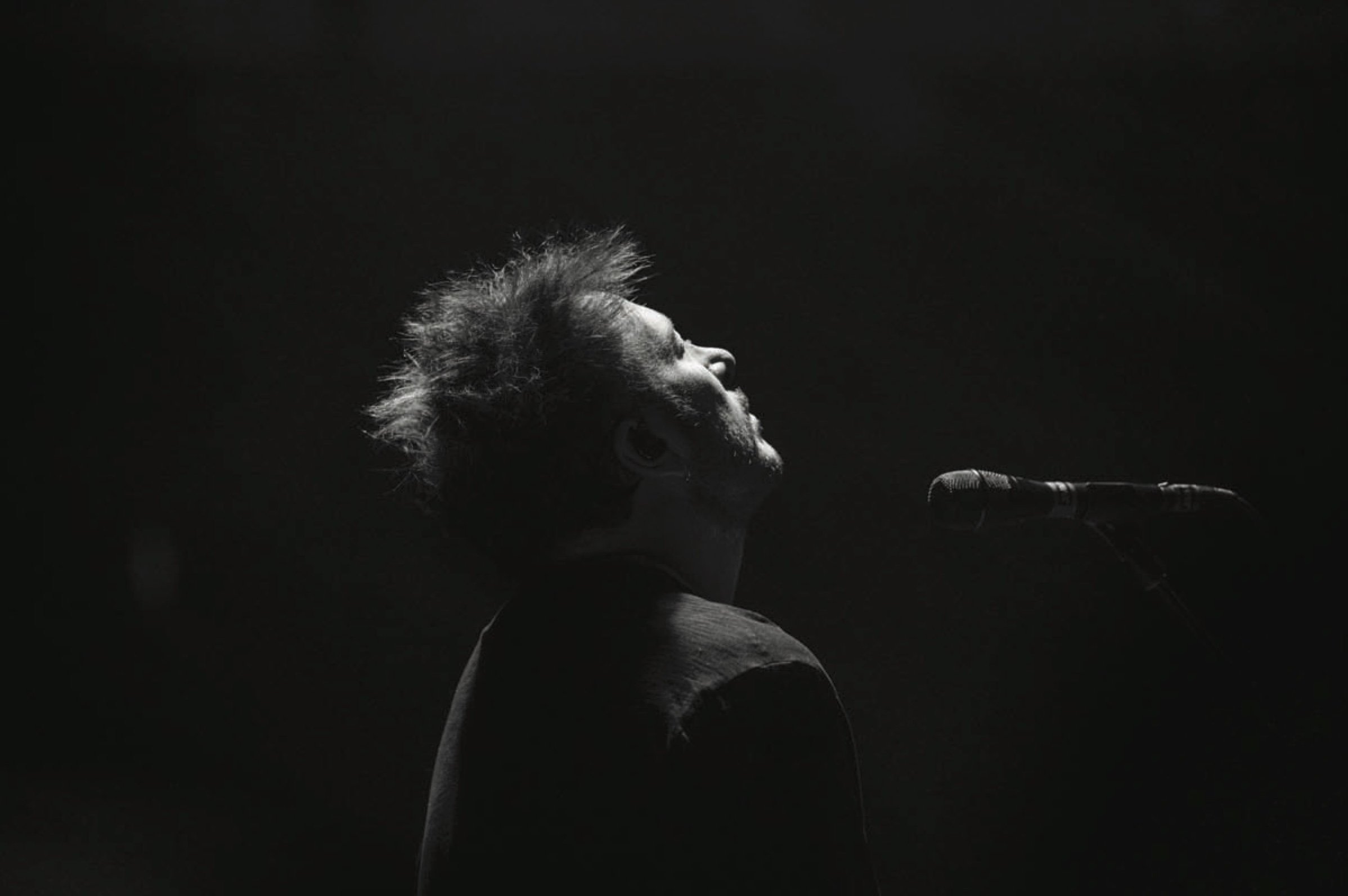
In 1998, I was living in a two-bedroom apartment in Studio City, fresh off my first world tour with an artist on Elektra Records named Rebekah. Although she’d had some success, I could sense that extensive touring wasn’t in her immediate future, and I was on the lookout for something new. Being twenty-four and perpetually optimistic, I assumed the next great opportunity was just a phone call away.
I got a call about an artist with a band name–New Radicals–who was looking for musicians. I received a CD in the mail with four songs to learn, and as soon as I put it on, I knew this was something I was supposed to be part of. Not wanted to be part of, not hoped to be part of–supposed to be part of. Sometimes you just know.
“You Get What You Give” was infectious in the way that only perfect pop songs can be. The chorus had a monster hook, but even before you got there, the song started with a groove and vibe that made you feel something indefinable but essential. The melodies were singable and catchy, the chords were musical, and the whole thing was built around a driving eighth-note piano that reminded me of Hall & Oates and Todd Rundgren at their finest.
Vocally, Gregg Alexander’s voice blended recklessness and innocence with hints of Mick Jagger and Prince. The lyrics were rebellious and hopeful–he gave you the best of both worlds in a way that felt both impossible and inevitable. It was everything you want in a song, and twenty-five years later, it still sounds amazing, which is more than I can say for most of my fashion choices from 1998.
They arranged a cattle call audition at SIR in Hollywood, and as I sat in the lobby with the other hopefuls, I noticed a guy with a guitar who was also waiting his turn. His name was Brad Fernquist, and he would go on to be one of my best friends for the next twenty-five years. Even as I write this, we’re currently playing in the Goo Goo Dolls together–proof that some connections transcend individual projects and survive decades of questionable career decisions.
As we waited our turn, we conspired to go in together. I’d never heard Brad play, but he was a handsome guy who just seemed like he had the goods. In audition situations, it’s always tricky because you never know who else will be playing with you, and if one or more of the other players isn’t worth their salt, you run the risk of their performance negatively affecting yours.
We went in together anyway. Gregg was there, but he wasn’t singing–a girl named Danielle Brisebois was on lead vocals while Gregg listened from the couch with that unreadable expression that would become familiar over the coming months. After we played a few songs, Brad and I were asked to stay and play with different drummers and bass players. By the end of the day, we both felt we’d made a great impression. We’d nailed the job interview–and made some new friends.
Along with Stuart Johnson on drums and Sasha Krivtsov on bass, Brad and I got the gig. Danielle would also be in the band, singing and playing percussion alongside Gregg. Their relationship was always a bit fuzzy–I’d heard they were once a romantic couple, but by the time the band was assembled, they were no longer in that kind of relationship.
Whatever they were, they were incredibly close, almost like they had a secret language all to themselves. They lived in their own world, and the rest of us were invited guests who were welcome as long as we didn’t ask too many questions about the inner workings of their creative partnership.
We started rehearsing immediately, and I could feel that this was going to be something special. The music was undeniably great, and we were a tight band from day one. There’s a chemistry that happens sometimes when the right musicians come together–it’s not something you can manufacture or force, but when it occurs naturally, it’s undeniable.
When “You Get What You Give” was released, it didn’t just become a hit–it became a phenomenon. The song went to number one on the Modern Rock charts and stayed there for weeks. MTV played the video constantly, and suddenly we were being flown around the country to play on television shows that I’d grown up watching from my parents’ couch while eating cereal in my pajamas.
We played The Tonight Show with Jay Leno, which for any musician is like checking off one of the biggest boxes on your career bucket list. We did Tops of The Pops and played on MTV when it was still a cultural force that could make or break careers rather than a nostalgic memory that makes millennials feel ancient.
The experience of having a number one song, especially one that connected with people the way “You Get What You Give” did, is intoxicating in a way that’s difficult to describe. Everywhere we went, people knew the words. Radio stations played it constantly. It felt like we were part of something that was becoming part of the cultural fabric–we’d been invited, it seemed as if by accident, to a historical moment, one people would remember decades later.
For someone who’d grown up dreaming of being a professional musician, this was exactly what I’d imagined success would feel like. We were making great music, people loved it, and everything seemed to be falling into place exactly as it should–which, in hindsight, should have been my first clue that something was about to go spectacularly wrong.
Even as the song was climbing the charts and the accolades were rolling in, I could sense something wasn’t quite right with Gregg. Success, rather than energizing him, seemed to be weighing on him in ways that none of us understood at the time.
Gregg was an incredibly talented songwriter and performer, but he was also dealing with pressures and expectations that were invisible to the rest of us. He’d written an undeniably great song that was connecting with millions of people, but instead of celebrating that achievement, he seemed increasingly uncomfortable with the attention it was bringing, like someone who’d accidentally become famous for something they’d rather keep private.
Looking back now, with twenty-five years of hindsight and my own experience dealing with the pressures of the music business, I can understand why success might have felt more like a burden than a blessing. But at twenty-four, all I could see was that we had something amazing and I couldn’t understand why anyone wouldn’t want to ride it as far as it could go.
In the midst of all this success, Gregg made a decision that shocked everyone: he decided to break up the band. Not after the album cycle was complete, not after we’d toured extensively, not after we’d tried to follow up the success with another record. He wanted to disband New Radicals at the height of our success.
The reasoning was never entirely clear to any of us band members. There were mentions of wanting to focus on writing and producing for other artists, of feeling like a slave to the record company’s never ending requests, of the rigors of touring –and the collective toll it was taking on him.
For those of us who were just starting to taste real success as professional musicians, this decision was devastating. We’d found something that worked, something that people loved, something that could have sustained all of us for years. And just as it was beginning to take off, it was over.
The breakup of New Radicals was my first real lesson in how little control sidemen have over their own careers. No matter how talented you are, no matter how much you contribute to the success of a project, ultimately you’re at the mercy of other people’s decisions and other people’s priorities.
It was also my first experience with the kind of heartbreak that’s unique to the music business–the loss of something that felt like it was just beginning to reach its potential. In most jobs, when something ends, it’s because it wasn’t working. In music, sometimes things end precisely because they are working, and that can be even more difficult to process.
Which brings me back to that night at Lucky Strike in 2023, standing on stage about to sing “You Get What You Give” for the first time in decades. Steve counted off the song, and as soon as I heard those opening chords, I was twenty-four again–except I was also fifty, with twenty-five years of experience in the music business, enough perspective to understand what that song represented, and enough wisdom to appreciate both what was gained and what was lost.
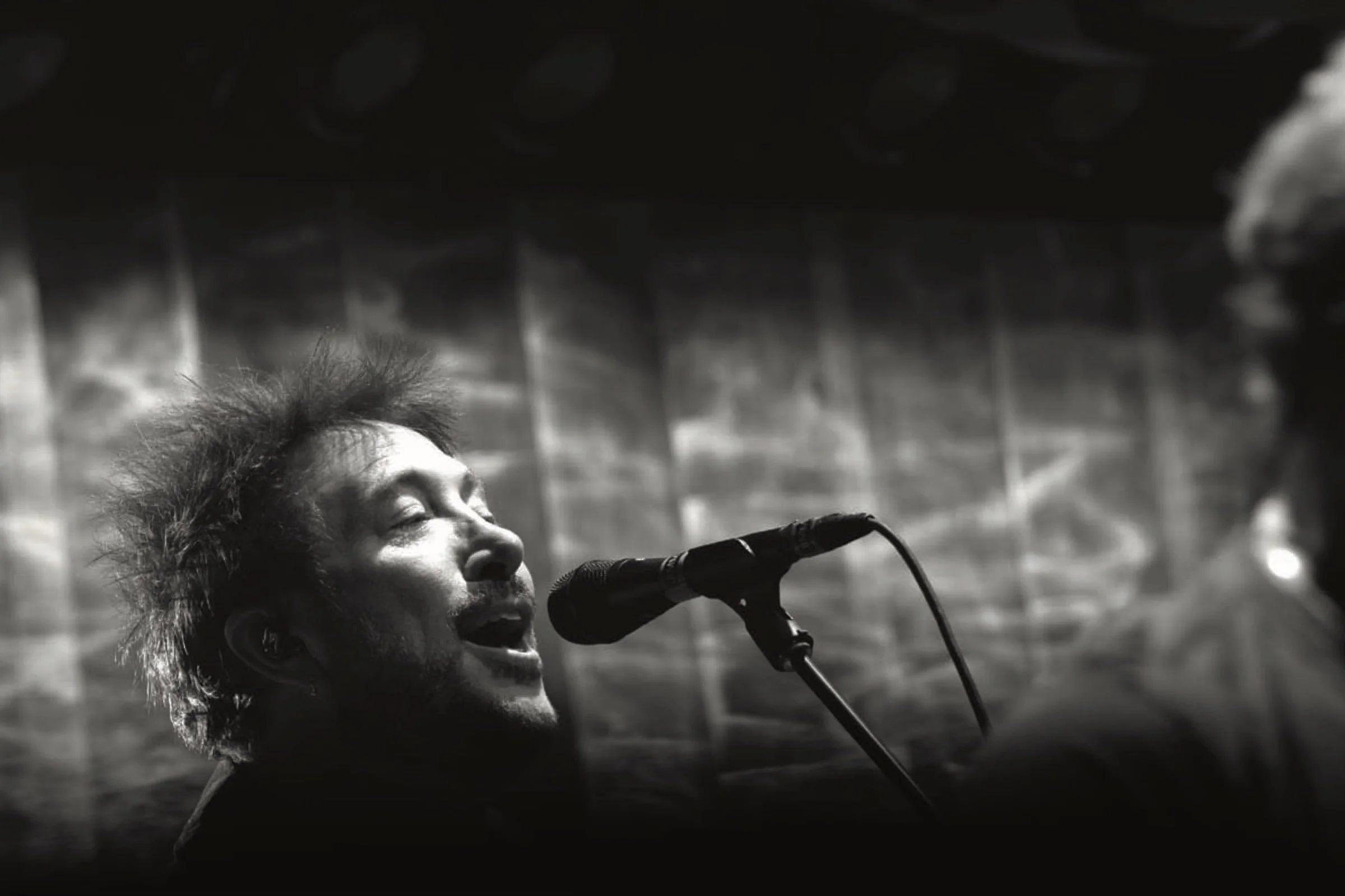
Singing it again reminded me why I’d fallen in love with it in the first place. The song itself is perfect–it’s one of those rare creations that captures something essential about being alive, about hope, about the belief that things can be better than they are. That magic hadn’t diminished over time, like a favorite book that’s just as good on the tenth reading as it was on the first.
But performing it also reminded me of all the lessons that came after: that success is temporary, that artistic achievements and commercial success don’t always align, that the music business will break your heart in ways you can’t predict, and that sometimes the most valuable experiences are the ones that don’t last as long as you’d hoped.
What I understand now that I didn’t understand at twenty-four is that the brevity of the New Radicals experience didn’t diminish its value–it might have actually enhanced it. Because it ended when it did, it remains perfect in my memory.
There was never time for it to become routine, never time for the magic to wear off, never time for the inevitable creative differences and business pressures to erode what made it special.
“You Get What You Give” has had a longer life than the band that created it. It’s been featured in movies and TV shows, covered by other artists, and continues to find new audiences twenty-five years after its release. The song outlived the band, which maybe was always the point–to make something that could exist independently of the circumstances of its creation.
The lesson from New Radicals isn’t that success is meaningless because it’s temporary, or that you shouldn’t get attached to projects because they might end unexpectedly. The lesson is that you should be fully present for the magic when it happens, because those moments of perfect creative alignment are rare and precious.
When you’re part of something that works–really works–at the highest level, you owe it to yourself and to the music to appreciate it fully. Don’t spend so much time worrying about what comes next that you miss what’s happening right now, because right now is all you’re guaranteed, and sometimes right now is absolutely perfect.
The music business has broken my heart, but it has given me experiences that nothing else can provide. The key is learning to hold both truths simultaneously: the heartbreak and the magic, the temporary nature of success and the permanent impact of great music, the disappointment of things ending and the gratitude for having experienced them at all.
“You Get What You Give” taught me that sometimes you really do get what you give–but you might not get to keep it as long as you’d like. And maybe that’s exactly as it should be. Like a sunset, beautiful precisely because it doesn’t last forever.